

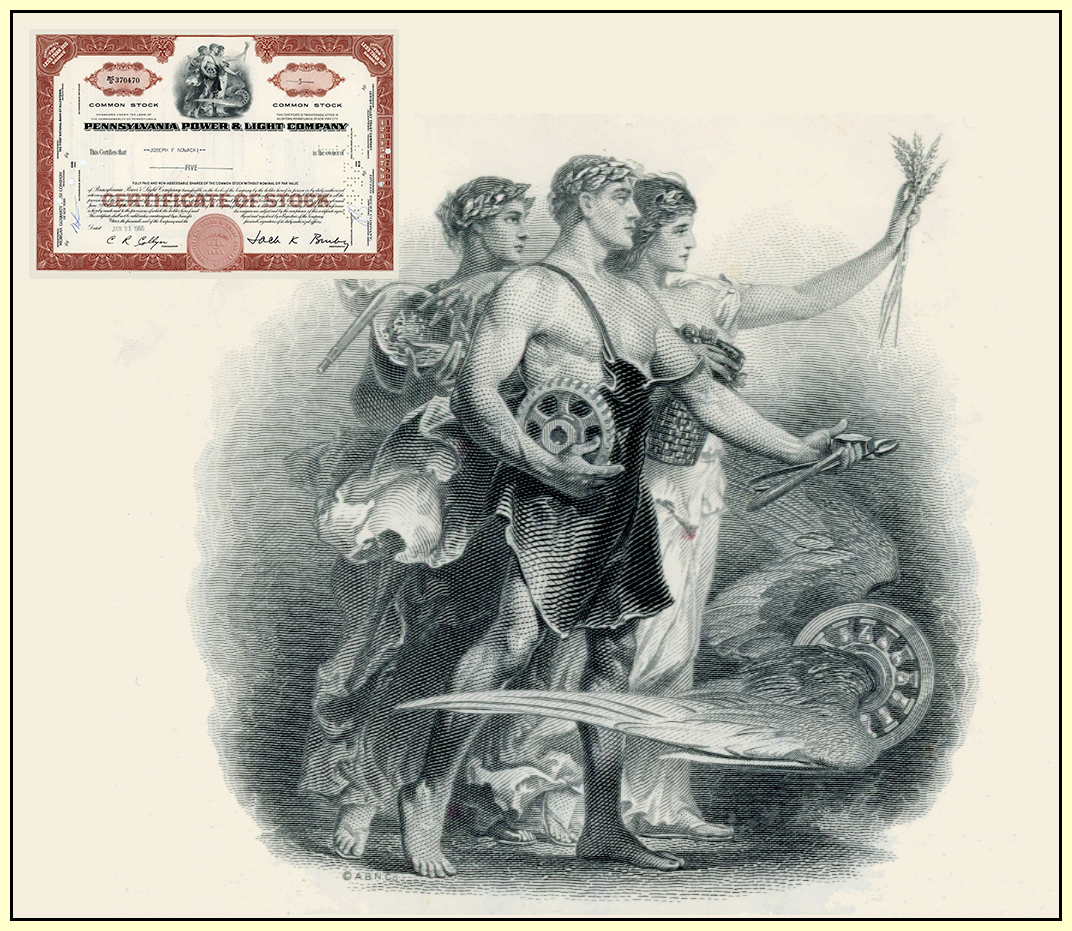
I've collected most things at some stage in my life: stamps, bus tickets, banknotes, newspapers, books, and, of course, images. At one point, I acquired quite a collection of old share certificates. The beauty of these is not that I might have a small stake in some defunct American power and light company, but the glorious illustrations that feature on the stock certificates.

If you are familiar with Brighouse in West Yorkshire, you might recognise the scene depicted in this photo I took fifty-odd years ago. The flour silos are still there (although they are a climbing activity centre now) and so are some of the buildings at the bottom of Briggate. Many of the other buildings have gone, and few people go shopping in a headscarf with a wicker basket anymore!

I have one of my fathers' old diaries from the 1930s, and it records the weekend cycle journeys he and my mother used to go on from their home in Bradford. Many of these would involve a stop at the popular pub, Dick Hudson's, on the hills above Bingley. I drove past it the other day and decided to call in. What a wonderful place; I can see what attracted my parents all those years ago.

Given the heat and the lack of rain, it's extraordinary that nature can still produce such greens as this. The scene looks idyllic, and in many ways is, especially if, like me, you are profoundly deaf. For the rest, the noise from the M62 - just behind the line of trees on the left - has to be contended with.


